
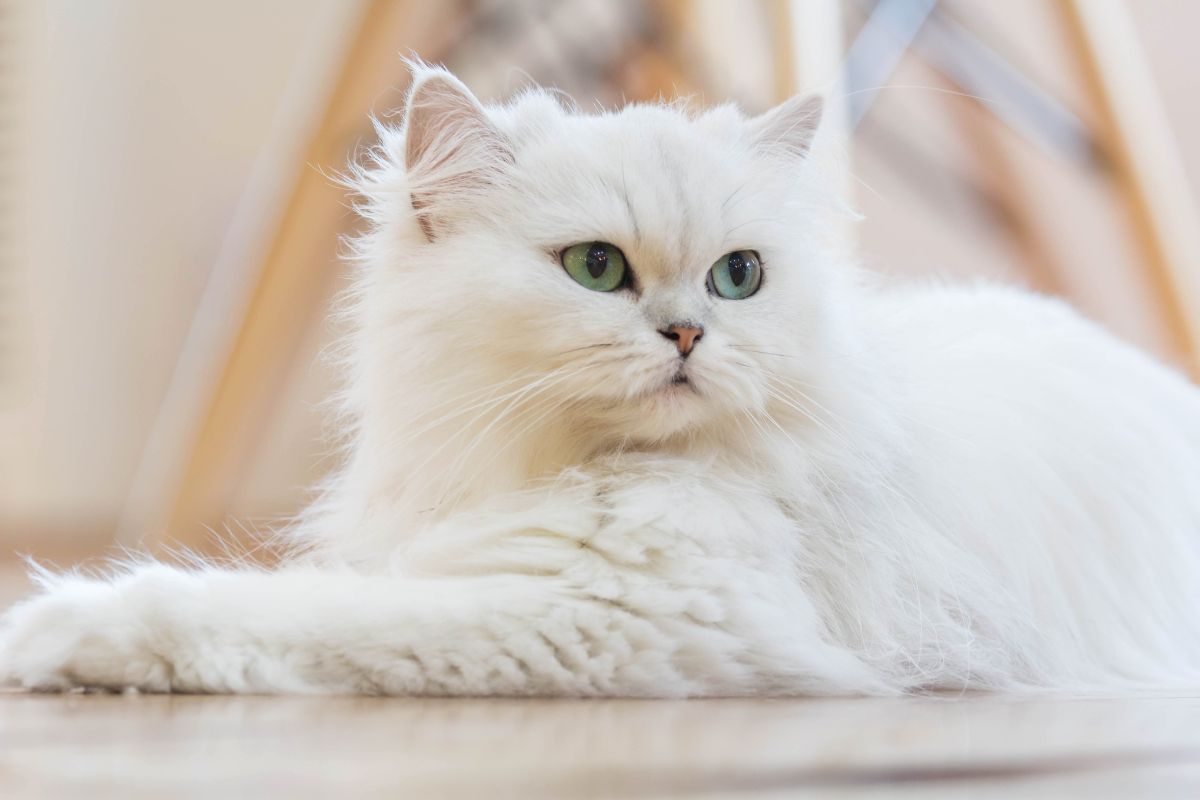
The "Shirazi Cat," known globally as the Persian Cat, is considered one of the oldest and most famous domestic cat breeds of all time. With its long, silky coat, distinctive face, and calm temperament, this aristocratic cat has secured a special place in the hearts of cat lovers worldwide, especially in the Arab region where it is one of the most sought-after breeds.
In this comprehensive guide from Zima Pets, we delve into the world of the Persian Cat and provide you with all the information you need before deciding to adopt this beautiful creature. We will clarify the subtle differences between types, reveal the actual market prices, and share the grooming secrets that ensure your cat a healthy and happy life.
Specifications of the Purebred Persian Cat
Before delving into the details, it's important to understand that "purebred Persian cat specifications" are not just personal preferences; they are specific standards set by global cat registries. Knowing these specifications will help you distinguish between a genuine purebred cat and others:
Distinctive Physical Structure:
The Persian Cat features a medium-to-large, stocky body with a broad chest and massive shoulders. The legs are short and strong, giving it a characteristic waddling gait. The tail is relatively short but very bushy, proportionate to the body size.
Face and Head:
The head is round and massive, and the skull is broad. The face is the most distinguishing feature—it should be flat (especially in the popular "Peke-face" type), with a very small nose that is almost level with the eyes. The cheeks are full, and the chin is strong and rounded.
Eyes:
Persian Cat eyes are large and round, set wide apart, and consistently give a dreamy expression. Colors vary depending on the fur color—they may be copper, blue, green, or even odd-eyed (different colors).
Coat:
This is the secret to the Persian Cat's beauty! It has a long (up to 10 cm), double coat that is soft as silk. This dense fur requires daily grooming with special tools.
Purebred Persian vs. Mixed Persian: Key Differences
One of the most common questions among beginners is: What is the difference between a "Purebred Persian Cat" and a "Mixed Persian Cat"? The answer is not just in appearance, but also extends to health, behavior, and price.
Purebred Persian Cat (Purebred):
This is a cat that descends from a documented, pure lineage, meaning both its parents and grandparents have been of the same Persian breed for many generations. It usually comes with a Pedigree certificate from accredited organizations such as CFA or TICA. These cats maintain all the standard specifications of the breed with high precision, from the completely flat face shape to the exceptional coat density.
Mixed Persian Cat (Mixed):
Results from the mating of a purebred Persian with another breed, or from the mating of two mixed cats carrying Persian genes. The result can be very beautiful cats that carry some Persian traits (like long fur) but lack the precise standards. The face might be less flat, the fur less dense, or the body slightly longer.
Pros and Cons:
A Mixed Persian Cat is not necessarily "lower quality"—in fact, it might be healthier! Purebreds sometimes suffer from hereditary health issues due to repeated inbreeding to maintain the purity of the line. The mixed cat may enjoy what is called "Hybrid Vigor," meaning a stronger immune system and fewer health problems.
What Do Persian Cats Eat? The Ideal Nutrition Guide
The question "What does a Persian Cat eat?" is one of the most important that every owner must ask. Proper nutrition is not only the key to health but also the secret behind that famous shiny, silky coat. This breed has special dietary needs due to its physical structure and the nature of its dense fur.
Special Nutritional Needs:
The Persian Cat tends to be overweight due to its calm nature and lower activity compared to other breeds. Additionally, its flat face can make it difficult to pick up kibble that is too small or too large. Therefore, choosing the appropriate size and shape of food is crucial.
Balanced Diet:
-
High-Quality Protein: Should make up 30-40% of the diet. Protein is essential for muscle health and maintaining coat quality.
-
Healthy Fats: Especially Omega 3 and 6, to maintain coat luster and skin health.
-
Fibers: Very important for the Persian Cat to prevent the formation of hairballs in the stomach.
-
Vitamins and Minerals: Especially Vitamin A for vision, and Vitamin E for skin.
Available Food Options:
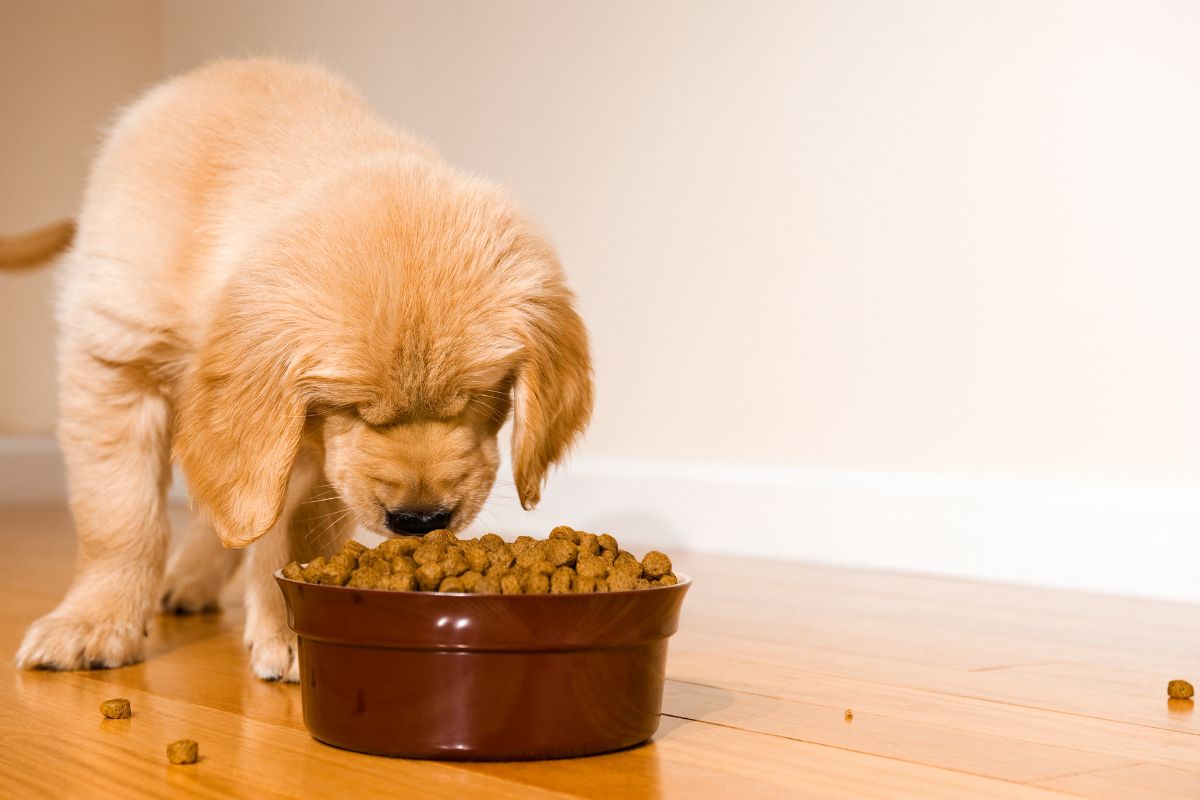
It is recommended to offer a balanced mix of dry and wet food for the Persian Cat. Dry food helps clean the teeth and provides concentrated nutrition, while wet food provides the extra hydration the Persian Cat needs to prevent kidney and urinary tract issues they may be prone to.
Always choose foods specifically designed for Persian Cats or long-haired breeds, as they contain a special formula that supports coat health and reduces hairball formation. You can also indulge your cat with some healthy treats between meals, but beware of overfeeding to avoid weight gain.
Appropriate Feeding Schedule:
-
Kittens (up to 6 months): 3-4 small meals daily.
-
Adult Cats (6 months - 7 years): 2 main meals daily.
-
Senior Cats (over 7 years): Smaller quantities with specialized senior food.
Daily Care: A Daily Commitment to Maintain Their Coat Health
Raising a Persian Cat requires a daily commitment to a comprehensive grooming routine. This is not optional but a necessity to maintain its health.
Combing the Coat:
The Persian Cat's long fur tangles very easily, and if neglected, can turn into painful mats requiring shaving. Daily combing (yes, daily!) is essential using:
-
A wide-toothed metal comb for the outer layer.
-
A soft brush for the undercoat.
-
A special rake for removing dead hair.
Eye Care:
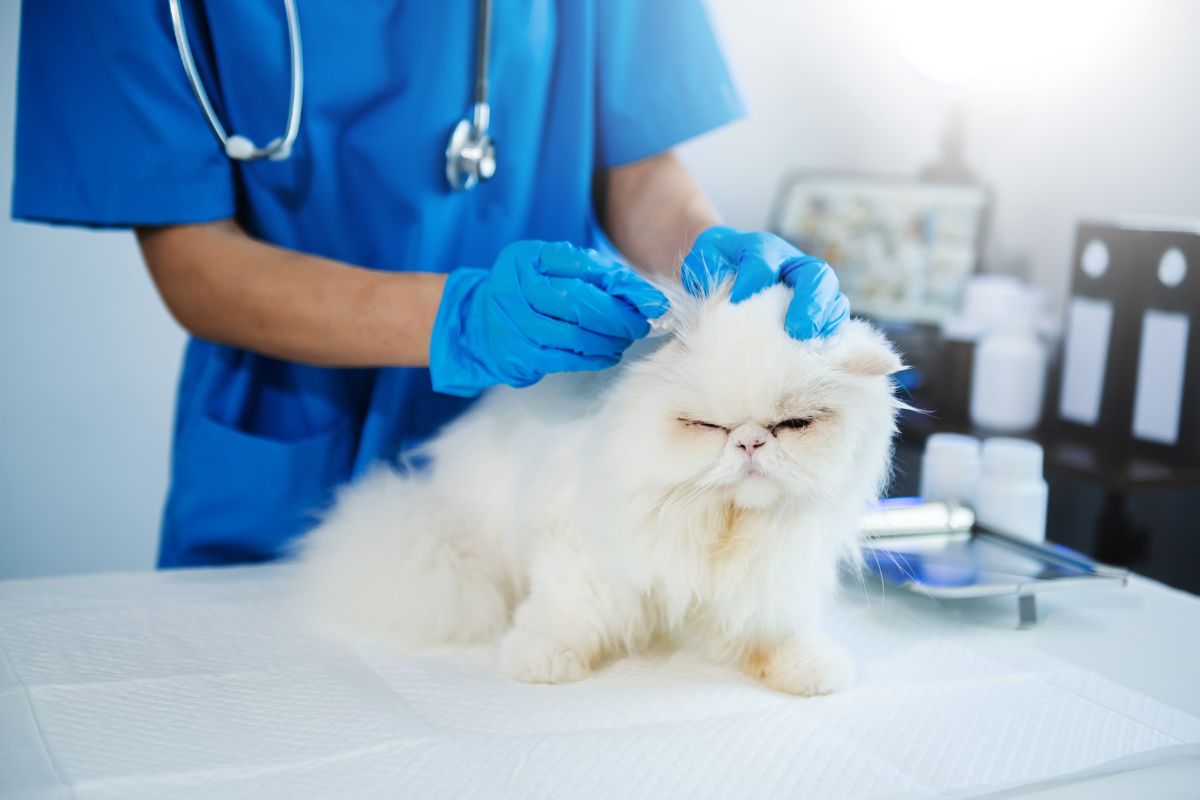
The Persian Cat is known for its teary eyes due to its flat face shape and short tear ducts. Daily cleaning is necessary to prevent:
-
Browning of the fur around the eye.
-
Formation of bacteria and infections.
-
Blockage of the tear ducts.
Use a soft cotton pad moistened with a special solution from the pet pharmacy, and gently wipe from the inner corner outwards.
Nose and Respiratory Care:
The flat nose can cause breathing difficulties, especially in hot weather. Be sure to:
-
Provide a well-ventilated environment.
-
Avoid direct exposure to scorching sun.
-
Monitor for any signs of respiratory distress.
Golden Tips for New Owners
If you are considering adopting a Persian Cat for the first time, here are tips from our experience at Zima Pets:
-
Start with the Basics:
Before bringing the cat home, prepare the house with all the necessities: a suitable litter box, high-quality grooming tools, flat food dishes, and a quiet sleeping area.
-
Choose Your Breeder Carefully:
Whether you are looking for a purebred or mixed Persian, ensure the breeder has a good reputation. Ask to see the parents, inquire about the health history, and vaccinations.
-
Patience with Training:
The Persian Cat is intelligent but sometimes stubborn. Litter box training and household rules require patience and positivity.
-
Invest in Health:
Do not skimp on preventative healthcare. Regular vaccinations, flea and tick prevention treatments, and routine check-ups will save you a lot of trouble and expense later.
-
Social Interaction:
Despite its calmness, the Persian Cat needs interaction and love. Dedicate daily time to playing with it (gently!) and sitting with it.
Conclusion
It is clear that this wonderful breed is more than just a beautiful face and luxurious fur. It is a quiet and loving companion that brings an atmosphere of serenity to the home. Yes, caring for it requires daily time and effort, but the reward is loyal friendship and a peaceful, warm life.
Whether you choose the Purebred Persian Cat with all its ideal specifications, or the Mixed Persian Cat with its special charm and robust health, the important thing is the commitment to providing the care and love it deserves. Remember that the true price is not what you pay upon purchase or adoption, but the continuous investment in its health and happiness.
At Zima Pets, we believe every pet deserves the best. Therefore, we provide you with everything you need for a successful journey with your Persian Cat, from specialized dry food for long-haired breeds to grooming products for fur and eyes. Let us be your partner in this beautiful journey, to ensure together that your Persian Cat lives a healthy, happy, and royal life befitting its ancient history.
Frequently Asked Questions (FAQ)
Is the Persian Cat suitable for children?
Yes, the Persian Cat is ideal for families with children. Its calm and patient temperament makes it a safe and friendly companion. However, children must be taught to handle it gently, not to pull its long fur, or disturb it while sleeping. Supervision is preferred for interactions between very young children and the cat to ensure everyone's safety.
How often does a Persian Cat need a bath?
A Persian Cat needs a bath once every 4-6 weeks, or when necessary if its fur gets dirty. Excessive bathing can dry out its skin and cause problems. Use a shampoo formulated for long-haired cats, and ensure complete drying to prevent matting. Some cats may need more frequent bathing if their eyes tear excessively.
Can a Persian Cat's hair be cut in the summer?
Yes, clipping the hair (the Lion Cut) is a popular option in hot summers, especially if the cat is suffering from the heat or difficulty grooming its coat. However, do not shave the hair completely—leave a layer for sun protection. Consult a professional pet groomer, and be aware that the hair needs 3-4 months to return to its natural length.

Leave a comment
This site is protected by hCaptcha and the hCaptcha Privacy Policy and Terms of Service apply.