

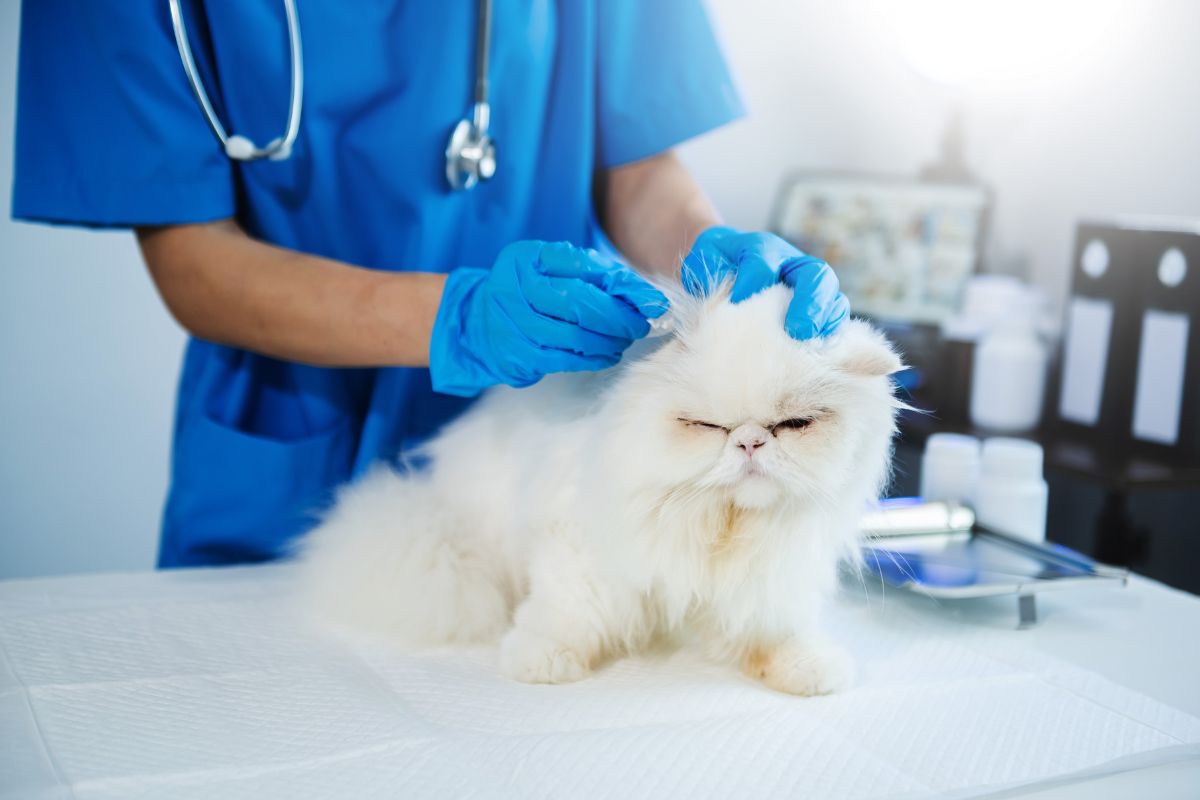
Skin diseases are among the most common challenges faced by pet owners, and Ringworm (or Feline Fungal Infection) sits at the top of this list. Upon hearing this term, many owners become anxious, fearing for the health of their cats and their family members, given the ability of this fungus to spread between living beings.
In this detailed article, we will delve into the scientific facts about feline ringworm to dispel fears and equip you with the necessary knowledge to handle this condition with confidence. Our goal at Zima Pets is not only to provide products but to ensure that your pet ownership journey is safe and stable, by understanding the symptoms early and using appropriate medical and preventative solutions.
What is Feline Ringworm? Knowing the Enemy to Defeat It
Ringworm is not actually a "worm," as its common name suggests, but a fungal infection that affects the superficial layers of the skin, hair, and nails. The most common type affecting cats and dogs is called Microsporum canis.
This fungus feeds on keratin, the protein found in the skin and hair, causing the hair shaft to weaken, fall out, and form scales on the skin.
It is crucial to realize that ringworm organisms are microscopic and stubborn, possessing spores that can survive in the home environment (on carpets, furniture, and grooming tools) for long periods, potentially up to 18 months, if not dealt with through deep cleaning.
How Does the Infection Spread?
Ringworm is highly contagious and spreads in two main ways:
-
Direct Contact: By a healthy animal or human touching an infected animal (cat or dog).
-
Indirect Contact: The more subtle route, where the infection spreads via contaminated objects such as grooming brushes, food bowls, or bedding used by an infected cat.
Therefore, maintaining the cleanliness of the cat’s environment and using separate tools for each animal is the first line of defense. Cats suffering from weakened immunity, whether due to young age, old age, or poor nutrition, are more susceptible to infection and require special care. You can check the pet pharmacy section to find products that boost your cat's immunity and treat any urgent health issues.
How to Detect the Infection? Distinctive Symptoms and Signs
The symptoms of "Feline Ringworm" vary and may differ in severity from one cat to another, but there are classic signs that should alert you as an owner. The most famous symptom is the appearance of circular patches of hair loss, where the skin is often red or covered with gray, dandruff-like scales.
These lesions typically appear on the head, ears, and paw tips, but they can spread to any part of the body. It is important to note that skin health is closely linked to diet. Cats that consume high-quality dry food rich in Omega-3 and 6 fatty acids usually have stronger skin barriers and better immunity to resist the spread of infection compared to malnourished cats.
Here is a list of the most important signs that warrant a veterinary visit:
-
Patchy hair loss (in circular patterns).
-
Constant itching (although ringworm does not always cause severe itching unless accompanied by a bacterial infection).
-
Brittle or broken nails.
-
Redness and inflammation of the skin.
Is it Fungus or Something Else?
Owners often confuse "Feline Ringworm" with other skin issues like allergies or external parasites. Itching and hair loss are shared symptoms of more than one disease. So, before concluding it is ringworm, you must ensure the cat is free of insects, as fleas can cause severe skin irritation that mimics a fungal infection.
Therefore, it is always recommended to stick to a regular schedule for flea and tick prevention products to rule out these common causes. The definitive diagnosis of ringworm is exclusively done in a veterinary clinic through three main methods:
-
Wood’s Lamp: Where some types of fungi fluoresce a phosphorescent green color under ultraviolet light.
-
Microscopic Examination: Examining a sample of hair under a microscope.
-
Fungal Culture (DTM): The most accurate method, where a sample is cultured, and the growth of the fungus is awaited to confirm its type; this process takes several days.
The Impact of Feline Ringworm on Humans (Zoonotic Infection)
Yes, ringworm is a zoonotic disease. It can easily spread from your cat to you or your children. The infection in humans appears as itchy, red rings on the skin with slightly raised edges. Children and the elderly are more susceptible due to their relatively weaker immune systems.
But there is no need to panic! The human infection is usually superficial and easy to treat with over-the-counter anti-fungal creams, resolving within two to four weeks. The key is early detection of the cat's infection and isolation to minimize the chance of transmission to household members.
The Treatment Journey: Patience is the Key to Healing
Treating "Feline Ringworm" is not impossible, but it requires commitment and patience, as the treatment period often extends from 4 to 6 weeks, and may be longer in stubborn cases. Treatment should not be stopped as soon as the visible symptoms disappear; it must continue until the veterinarian gives the green light (often after two negative culture results).
The treatment plan is usually divided into two parts:
-
Topical Treatments: Include anti-fungal creams, ointments, and medicated shampoos. This requires shaving the cat's hair in the affected areas (or a full body shave in severe cases) to ensure the medication reaches the skin.
-
Oral Treatments: These are liquid medications or pills prescribed by the doctor for cases where the fungus has spread widely.
We know that giving oral medication to cats can be a real battle! To facilitate this task, you can hide the pill inside a small ball of pungent, palatable wet food, making it an irresistible choice for the cat and reducing its stress during medication time.
Cleaning the House: Eliminating Dormant Spores
The point many overlook, which causes the recurrence of "Feline Ringworm," is neglecting to clean the surrounding environment. Remember that fungal spores travel through the air and settle on furniture. Thus, concurrently with treating the cat, a comprehensive cleaning campaign must be launched:
-
Daily Vacuuming: Use a vacuum cleaner to clean carpets and furniture daily to remove contaminated hair and scales, and dispose of the dust bag immediately outside the house.
-
Disinfection: Use diluted bleach solutions (chlorine) to disinfect hard floors and surfaces, as chlorine is very effective against fungal spores.
-
Washing Bedding: Wash the cat’s bedding and covers in very hot water with strong detergents.
To keep your cat's morale high during this stressful period (which may include shaving), don't forget to treat them with some healthy rewards after every treatment or cleaning session, as this strengthens your bond and makes them accept the treatment routine better.
Conclusion
In conclusion, we must remember that contracting this skin disease, despite its annoyance and ability to spread, is not the end of the world and should never necessitate abandoning your pet. It is just a temporary obstacle that can be successfully overcome through correct diagnosis, adherence to treatment, and maintaining high hygiene standards.
At Zima Pets, we believe prevention is the best investment. Providing a clean environment, balanced nutrition, and routine care are the cornerstones of a happy, healthy cat. Always remember that your cat's immunity is the first line of defense against any infection, and your attention to small details makes all the difference. Do not hesitate to consult a veterinarian when noticing any change in your cat's skin; early intervention saves both you and your cat a lot of trouble.
Frequently Asked Questions About Feline Ringworm
Do vinegar or garlic cure ringworm?
Many home remedies, such as using vinegar or garlic, are circulated, but we do not recommend relying on them as primary treatments. Vinegar may slightly alter the skin's pH and slow fungal growth, but it doesn't kill it completely and may cause irritation and burns to the cat's sensitive skin. Approved veterinary treatment is the only guaranteed way to complete healing.
Should I shave my cat's entire coat?
In many cases, veterinarians recommend shaving the cat's hair, especially in long-haired breeds (like the Persian). Shaving helps eliminate contaminated hair spores and allows creams and ointments to reach the infected skin directly, significantly speeding up the healing process.
Does sunlight help eliminate the fungus?
Yes, sunlight is very beneficial. UV rays help kill fungal spores and reduce the humidity that fungi thrive in. Allowing your cat to sit in a sunny spot (indoors or in a safe outdoor area) is good support for the treatment, but it is not a substitute for medication.
My cat is visibly healed; should I stop treatment?
This is the most common mistake that leads to a relapse. "Feline Ringworm" is deceptive; redness may disappear, and hair may regrow while the fungus is still microscopically active. You must continue treatment for the duration specified by the doctor, and it should typically only be stopped after a fungal culture test confirms a negative result.



Leave a comment
This site is protected by hCaptcha and the hCaptcha Privacy Policy and Terms of Service apply.