

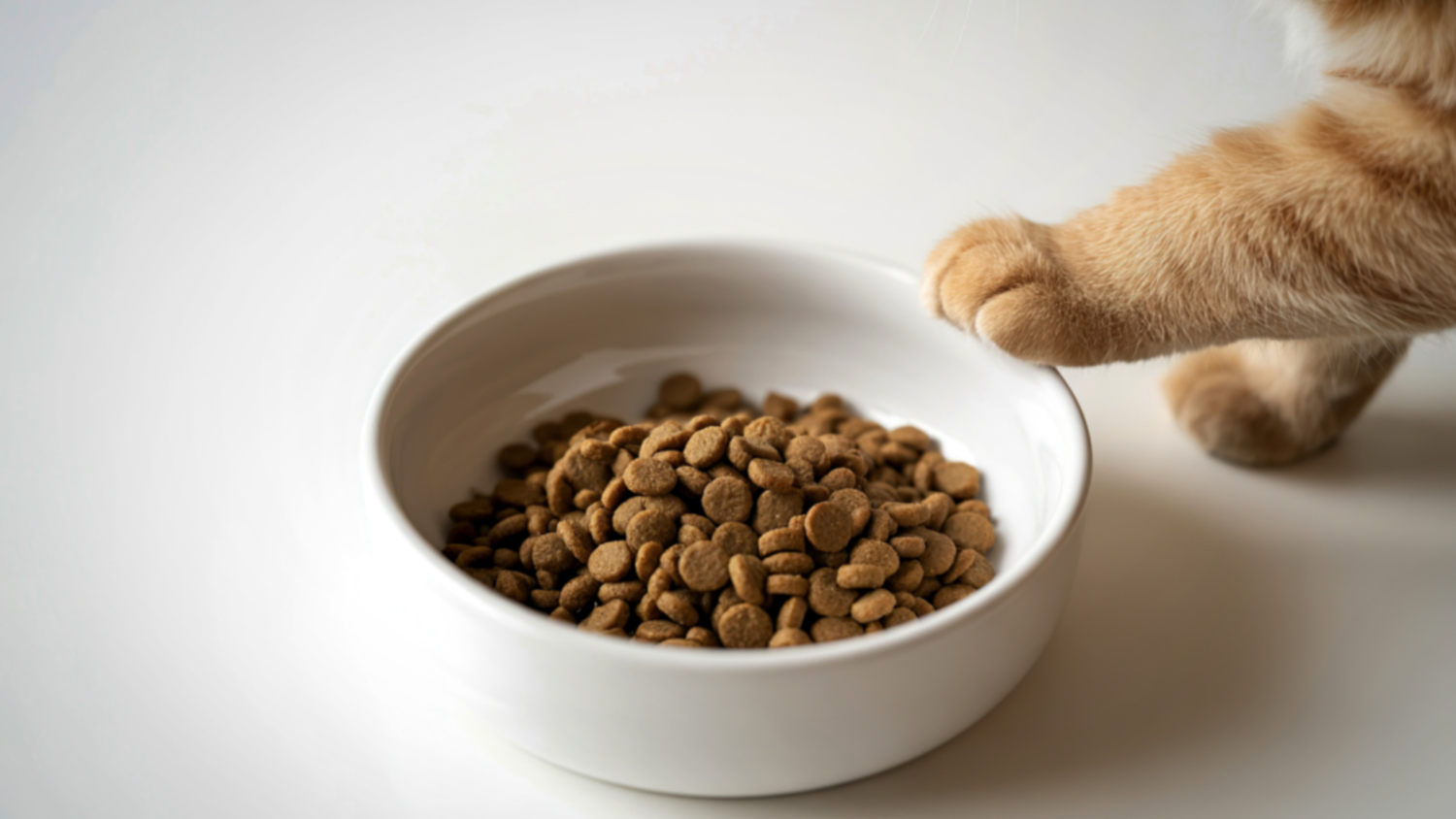
Okay, so I'm gonna be real with you. When I got my first cat about seven years ago, I grabbed whatever food was on sale at the supermarket. Seemed fine at the time. The cat ate it, didn't complain (well, cats don't really complain about food the way dogs do), and life went on.
Fast forward two years, and that same cat developed urinary crystals. Vet visit, expensive treatment, and a very stern conversation about what I'd been feeding him. Turns out that bargain kibble was basically the equivalent of feeding your kid nothing but instant noodles.
Lesson learned the hard way.
So now I'm kind of obsessed with cat food labels. My friends think it's weird. Maybe it is. But if you're reading this, you probably care about what goes into your cat's bowl too, and I want to save you from making the same mistakes I did.
What Is Dry Cat Food?
You know those little crunchy bits you pour into a bowl? Ever wondered how they're made? I hadn't either until I started researching this stuff.
Basically, manufacturers take a bunch of ingredients - meats, grains, vitamins, fats - and blend them into this dough-like mixture. Then they push it through these industrial machines under really high heat and pressure. The heat cooks everything, and the pressure shapes it into those familiar kibble pieces.
After that, the pieces get dried out (that's why it's called "dry" food - only about 10% moisture left) and sprayed with fats and flavor coatings. That coating is actually why cats find kibble appealing. Without it, most cats would probably ignore the stuff entirely.
The whole process is pretty fascinating if you're into that kind of thing. But what matters more is what goes INTO that process.
Reading Labels Without Going Crazy
Here's where things get tricky. And honestly? Kind of infuriating once you know what to look for.
The Ingredients Game
Pet food labels list ingredients by weight, heaviest first. Simple enough, right? Except companies have figured out ways to game this system.
What you actually want to see:
Real meat is the first ingredient. And I mean specifically named meat - "chicken" or "salmon" or "turkey." Not just "meat" or "poultry" which could be... well, anything really.
You might also see "chicken meal" or "fish meal," which sounds gross but is actually decent. It's basically meat with the water removed, so it's more concentrated protein. Not a bad thing despite the weird name.
Red flags that make me put the bag back:
Corn is the first ingredient. Or wheat. Or rice. Your cat is an obligate carnivore - their bodies are literally designed to eat meat. Starting the ingredients list with grains tells me this food prioritizes cheap fillers over actual nutrition.
"Animal by-products" without specifying what animal. Could be chicken livers (actually nutritious) or could be... stuff you don't want to think about. Vagueness is never a good sign.
"Animal fat" or "meat meal" without naming the source. Same problem. What animal? Why won't they tell us?
So here's something shady that took me a while to notice. Let's say a food is mostly corn with some chicken. That looks bad on a label. So instead, they list it as "ground corn, corn gluten meal, corn flour" - three separate entries that each look smaller than the chicken.
Add them together, though? Corn is definitely the main ingredient. They just hid it.
Once you start looking for this trick, you'll see it everywhere. Different forms of the same ingredient are scattered throughout the list. Sneaky.
What Actually Matters Nutritionally
Cats aren't small dogs. They aren't tiny humans. They have really specific nutritional needs that are different from pretty much any other pet.
Protein Is Non-Negotiable
Cats need a LOT of protein compared to other animals. We're talking minimum 26% for adults, ideally closer to 35-40%. And it needs to come from animal sources because...
Taurine Will Save Your Cat's Life
This isn't an exaggeration. Taurine is an amino acid that cats absolutely cannot live without. Their bodies don't produce it, so they have to get it from food. Without enough taurine, cats go blind, and their hearts fail.
Here's the thing - taurine is found naturally in animal tissue. Not in corn. Not in wheat. Not in peas. Animal. Tissue.
This is why I get so frustrated with grain-heavy foods. They're literally missing nutrients cats will die without. Yes, manufacturers add synthetic taurine back in. But why start with an inappropriate base and try to patch it?
Carbs Are... Complicated
Cats don't need carbohydrates. At all. Their bodies aren't designed to process them efficiently.
But here's the reality - you can't make kibble without some kind of starch. It's what holds the pieces together. So every dry food contains carbs, whether cats need them or not.
The question becomes: how MUCH and what KIND? Lower is generally better. And some sources (like sweet potatoes) are less problematic than others (like corn).
This is actually an argument for mixing dry and wet food. Wet food can be very low-carb or even carb-free. Dry food can't. So combining them gives your cat the convenience of kibble without overdoing the carbs.
Fat Isn't the Enemy
Cats need fat for energy, vitamin absorption, and brain function. Named fats like "chicken fat" or "salmon oil" are good ingredients, not bad ones.
Fish oils specifically provide omega-3 fatty acids, which help with inflammation, skin health, and cognitive function. Seeing fish oil on a label is a positive sign.
Age Changes Everything
I learned this one from my vet after making assumptions for too long.
Kittens Are Different
Baby cats are growing at an insane rate. They need way more calories per pound than adult cats, plus extra protein for muscle development, extra fat for brain growth, and extra calcium for bones.
Kitten food isn't just marketing. The formulation is genuinely different - higher calorie density, different nutrient ratios, and smaller kibble size for tiny mouths.
If you've got a young one, check out kitten-specific foods rather than feeding adult formulas.
When to switch: Most cats can move to adult food around their first birthday. Bigger breeds might benefit from kitten food a bit longer.
Adult Maintenance
Once cats are fully grown, they need enough nutrition to maintain themselves, but not so much that they gain weight. Most adult cats do fine on a quality maintenance formula.
The exceptions are cats with specific health issues - which we'll get to.
Senior Cats Need Adjustments
Somewhere around 7-10 years old, cats enter senior territory. Metabolism slows down. Kidneys don't work as efficiently. Joints might get creaky.
Senior formulas typically have fewer calories, controlled phosphorus levels (easier on the kidneys), and sometimes joint support ingredients.
My old man cat does noticeably better on senior-appropriate food. His coat looks better, and he seems to have more energy. Could be a coincidence, but I don't think so.
Special Situations
Not every cat can eat standard food. Sometimes you need something specific.
Weight Problems
Let's be honest - a lot of pet cats are overweight. It's easy to overfeed them, especially with calorie-dense dry food.
If your cat needs to slim down, weight management formulas can help. Lower calories, higher fiber (helps them feel full), and more protein (preserves muscle while losing fat).
But honestly? The biggest factor is just feeding less. Actually measuring portions instead of eyeballing. Cutting back on treats. Using interactive toys to get them moving more.
Sensitive Stomachs
Some cats just have touchy digestive systems. Vomiting, diarrhea, inconsistent poops - not fun for anyone.
Limited-ingredient diets often help. Fewer components mean fewer potential triggers. Some cats also do better with added probiotics.
Food Allergies
Actual allergies usually show up as skin problems - itching, hair loss, ear infections - rather than tummy issues. Common triggers include beef, fish, chicken, and dairy.
The solution is typically switching to a protein your cat hasn't had before. Duck, rabbit, venison - something novel to their system.
Prescription allergy diets are another option. These use hydrolyzed proteins (broken down so small the immune system doesn't react). Talk to your vet and check our pharmacy section for prescription options.
Indoor Cats
Cats who never go outside tend to be less active and groom more (boredom, maybe?). Indoor formulas address this with lower calories and extra fiber for hairball control.
How Much Should You Actually Feed?
This trips up so many people. Including me, for years.
Those Bag Guidelines Are Generous
The recommended amounts on pet food packages are almost always too high. Makes sense from the company's perspective - they sell more food if you use more food.
A Better Method
Figure out how many calories your cat needs based on their weight and activity level. A rough starting point:
Lazy indoor cats: about 20 calories per pound of body weight
Moderately active: about 25 calories per pound
Very active: about 30 calories per pound
Then check your food's calorie content (should be on the bag somewhere) and do the math.
Example: A 10-pound indoor cat needs roughly 200 calories. Food has 400 calories per cup. So feed half a cup per day, split between meals.
Weigh, Don't Scoop
Get a cheap kitchen scale. Measuring cups are inconsistent - how you scoop affects the amount. Weight is precise.
Once you know the right amount in grams, you'll nail portions every time.
Watch and Adjust
Numbers are starting points. The real test is your cat's body condition. Can you feel ribs without pressing hard? Is there a visible waist? Good. Adjust portions based on what you observe, not just what calculations say.
Storage Actually Matters
I used to just fold the bag over and call it good. Turns out I was slowly letting the food go rancid.
Why Freshness Counts
The fats in dry food start oxidizing once exposed to air. Heat and humidity speed this up. Rancid fats taste bad (cats notice before you will) and lose nutritional value.
Keep It Sealed
Those bag clips aren't optional. Or better yet, put the whole bag inside an airtight container. Good storage containers really do extend freshness.
Also, don't buy more than you'll use in about six weeks. That giant economy bag might be cheaper per pound, but not if half of it goes stale before your cat finishes it.
When to Toss It
If the food smells off, looks discolored, or your cat suddenly won't touch food they previously liked, it's probably gone bad. When in doubt, throw it out.
Switching Foods Without Disaster
Found something better? Great. But don't just swap overnight unless you enjoy cleaning up diarrhea.
Go Slow
Mix old and new food, gradually shifting the ratio over about a week:
Start with mostly old food with a little new. Work toward half and half. End up with all the new food.
If your cat has a sensitive stomach, stretch this to two weeks.
If Things Go Wrong
Soft poops? Slow down. Go back to older food and proceed more gradually.
Won't eat? Try warming the food slightly. Add a tiny bit of something tempting on top. Be patient - some cats need multiple exposures before accepting something new.
The Bowl Matters
Quick note that took me way too long to learn: cats have sensitive whiskers. Deep, narrow bowls that press against whiskers every time they eat can actually cause discomfort.
Use shallow wide bowls. Your cat will thank you. Well, they won't actually thank you because they're cats, but they'll eat more comfortably.
Stainless steel or ceramic works best. Plastic scratches and harbors bacteria. Check out our bowl options designed with cats in mind.
Mixing Dry and Wet Food
I'm a big believer in this approach, and here's why.
Dry food is convenient but has almost no moisture. Cats evolved to get water from food and often don't drink enough to compensate for dry-only diets. Long-term, this stresses the kidneys.
Wet food provides hydration and is usually higher in protein and lower in carbs.
Combining both gives you convenience plus better nutrition. Lots of vets recommend this.
Quick Problem-Solving
Cat ignores the food: Different flavor? Stale food? Health issue? Try warming it. Check the expiration date. Rule out illness.
Vomiting after eating: Eating too fast try a slow feeder, food intolerance try limited ingredients, or hairballs brush more using a good grooming brush.
Constant diarrhea: Transition too fast. Food intolerance. Expired food. See a vet if it continues.
Always hungry: Feeding too little? Low-quality food that doesn't satisfy? Health issues like parasites or thyroid problems? Worth a vet check.
Gaining weight: Measure portions precisely. Cut treats. More playtime.
Bottom Line
What matters most:
Named animal proteins should dominate the ingredients list. Avoid mystery ingredients and grain-heavy formulas. Match the food to your cat's life stage and any health needs. Measure portions carefully. Store food properly. Consider mixing wet and dry.
And pay attention to your actual cat. Shiny coat, good energy, healthy weight, normal bathroom habits, these matter more than any label claims.
At Zima Pets, we stock dry cat food from brands that meet real quality standards, plus, treats, and supplements. Happy to help you find what works for your specific cat.
Common Questions
Is pricey food automatically better?
Not always. Some expensive brands are mostly marketing. Some affordable brands are actually decent. Read labels instead of just checking prices.
Can my cat eat the same food forever?
If it's working - healthy weight, good coat, normal digestion - then yes. Cats don't need variety the way humans do.
Is Grain-free - Dry Food worth it?
Maybe, maybe not. "Grain-free" doesn't mean "low carb" - foods often just replace grains with potatoes or legumes. Focus on overall carb content and protein quality rather than grain-free labels.

Leave a comment
This site is protected by hCaptcha and the hCaptcha Privacy Policy and Terms of Service apply.