

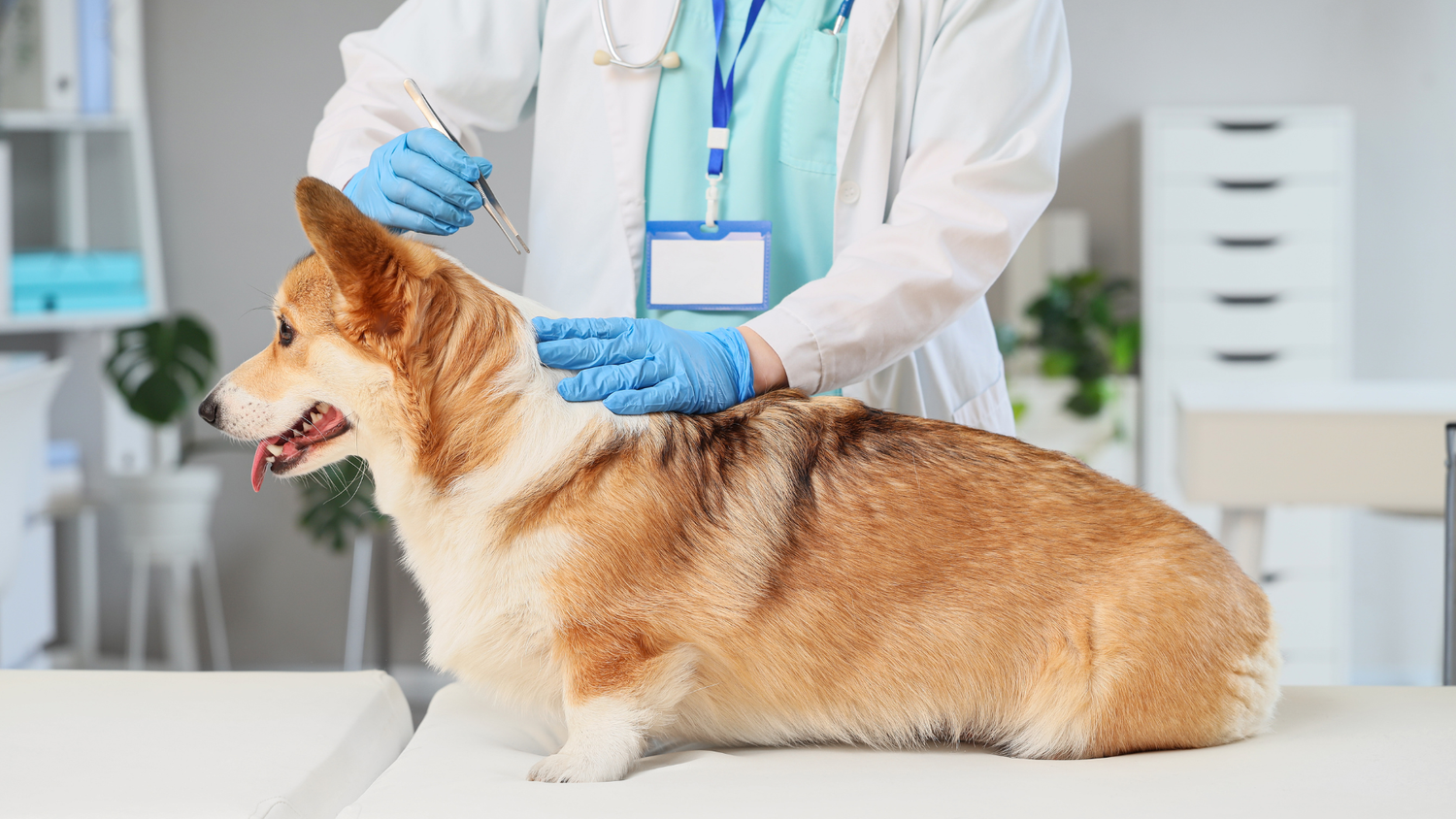
Let’s be real for a second: is there anything worse than petting your dog and feeling that bump? You know the one. You part the fur, hoping it’s just a scab or a mat, but nope. It’s a tick.
It’s gross, sure. But beyond the "ick" factor, ticks are actually pretty scary. Unlike fleas, which are mostly just annoying and make everyone itch, ticks are silent hunters. They don't just bite and leave; they lock in and feed on your dog’s blood for days. And that’s exactly when they pass on diseases that can get serious fast.
Here is a creepy, fun fact: Ticks aren't insects. They’re arachnids. Yep, they are basically eight-legged cousins of spiders and scorpions. They don't fly or jump. They just hang out in tall grass, waiting for your dog to brush past so they can grab a ride.
In this post, we’re going to skip the boring textbook stuff and get straight to what you need to know: what they are, why they’re dangerous, and how to kick them off your dog for good.
What You’re Actually Dealing With
Ticks are survival machines. They start tiny, about the size of a poppy seed, but once they feed, they blow up like a balloon.
Why are they so hard to get off?
It comes down to anatomy.
-
The Mouth: Think of it like a barbed anchor. Once they dig in, they are cemented there.
-
The Saliva: This is the sneaky part. They spit out a numbing agent so your dog doesn't even feel the bite. That same saliva is the highway for bacteria to enter your dog's bloodstream.
The Life Cycle (Or, The Waiting Game)
To beat them, you have to know how they operate. Their life cycle is a four-part saga that can actually drag on for three years.
It starts with an Egg. A female drops off a host, lays thousands of eggs in the dirt, and dies. When they hatch, you get Larvae. These six-legged babies need blood to grow, so they find a mouse or bird, eat, and drop off. Then they molt into Nymphs (now with eight legs).
Another meal, another molt. Finally, they become Adults. The females attach for the long haul, getting huge, before dropping off to start the nightmare all over again.
The Scary Stuff: Diseases
We aren't trying to panic you, but ticks are nature’s dirty needles. Here is what you need to watch out for.
Lyme Disease
The big one. It’s caused by bacteria, and the tick usually needs to be attached for about 24 to 48 hours to pass it on.
-
The Signs: If your dog starts limping on one leg, then switches to another a few days later, pay attention. Also watch for fever and low energy.
-
Diagnosis: A vet has to run a blood test to confirm it.
Babesiosis
This parasite attacks red blood cells, and it moves fast.
-
The Signs: Pale gums, dark urine (looks like tea), and sudden weakness. If you see this, go to the vet immediately.
Ehrlichiosis & Anaplasmosis
These mess with the immune system. Watch for random nosebleeds or bruising.
Heads up: You can catch some of these, too. Protecting your dog is really about protecting your whole house.
If you think your dog picked something up, see a vet first. Once you have a prescription, you can grab exactly what you need from our dog pharmacy. Just don't play doctor yourself; get professional advice first.
How to Find Them (The "Cuddle Check")
Finding a tick early is the whole ballgame. Make it a routine. When you're cuddling on the couch, run your hands over your dog's body.
Don't just pet them; press gently against the grain of the fur. You are feeling for a bump that shouldn't be there.
-
Check the hideouts: Ticks love warmth. Check deep inside the ears, between the toes, under the armpits, and even under the collar.
-
Visuals: A new tick looks like a dirt speck. A feeding tick looks gray. A full tick looks like a gross, swollen grape.
If your dog is scratching one spot obsessively, take a look. That’s usually a dead giveaway.
How to Remove a Tick (The Right Way)
Forget the old myths. Please do not burn it with a match. Do not smother it in Vaseline. Those tricks just agitate the tick and can make it vomit toxins back into your dog.
Here is the safe way:
-
Grab your tools: Tweezers (or a tick key), gloves, and rubbing alcohol.
-
Get a grip: Grab the tick as close to the skin as you possibly can. You want the head, not the fat body.
-
Pull: Pull straight up with steady pressure. Don't twist! Twisting snaps the head off.
-
Clean up: Dunk the tick in alcohol to kill it. Clean the bite with an antiseptic.
Did the head break off? Don't go digging for it like you're performing surgery. Just clean it and let it heal; the body will push it out naturally like a splinter.
Prevention: Save Yourself the Headache
Why deal with removal if you can just stop them from biting?
1. Spot-On Treatments
These are the drops you put between the shoulder blades. They are popular because they work.
-
Our Pick: Virbac Spot-On is a solid choice. It kills ticks on contact. Just make sure you buy the right dose for your dog's weight, don't guess!
2. Collars
Medicated collars work well for "set it and forget it" types. Just watch out for neck irritation.
3. Pills
Chewable tablets are great because the meds go into the bloodstream. If you have a dog that swims a lot, this is your best bet since water won't wash it off.
4. The Yard
If you have a yard, mow your lawn. Ticks hate short grass because the sun dries them out.
If you need to stock up, our flea and tick control section has quick delivery on all the top brands.
So You Found a Tick. Now What?
First, breathe. Remove it. If you haven't treated your dog recently, apply a spot-on treatment to catch any stragglers. Then, just watch your dog. If they seem tired, won't eat, or get a fever in the next couple of weeks, head to the vet and tell them about the tick.
Fleas vs. Ticks: What’s the Difference?
Think of fleas as annoying roommates who party too loudly, while ticks are burglars.
-
Fleas: Jump around, cause itching, and lay eggs everywhere. Annoying, but rarely deadly.
-
Ticks: Stay in one spot, drink blood, and spread serious disease.
After a long hike, a good brushing helps you spot both. Check out our grooming tools to make the job easier.
Can They Bite Me?
Yep. Ticks aren't picky. If they fall off your dog, they will happily crawl onto you or your kids.
-
Safety Tip: Wear long pants in the woods and check yourself after walks. If you find one on you, remove it the same way.
Final Thoughts
Dealing with ticks is just part of the package when you have a dog. It’s not fun, but it’s manageable. The key is consistency. Keep up with the monthly meds (even in winter!), do your daily checks, and keep your yard tidy.
A strong immune system helps, too, so feed your pup good food and keep them active.
At Zima Pets, we’re here to help. Whether you need advice or supplies, we’ve got everything you need to keep your best friend safe, healthy, and itch-free.
Frequently Asked Questions
How long does a tick have to be on to make my dog sick?
It depends, but for Lyme disease, you usually have a 24-48 hour window. That’s why checking your dog every day is your best defense. If you catch it early, you're usually safe.
Can ticks breed in my house?
Most ticks prefer the woods, but the Brown Dog Tick is the exception; it can actually live and breed indoors (in curtains and cracks). If you see those, you need to deep clean ASAP.
I used meds, but I still see a tick! Is it broken?
Probably not. Most meds don't act like a forcefield; the tick has to touch the skin or bite to die. If you find a dried-up or dying tick, the medicine worked. If you find a fat, healthy tick a week after treatment, check that you applied it correctly.


Leave a comment
This site is protected by hCaptcha and the hCaptcha Privacy Policy and Terms of Service apply.