

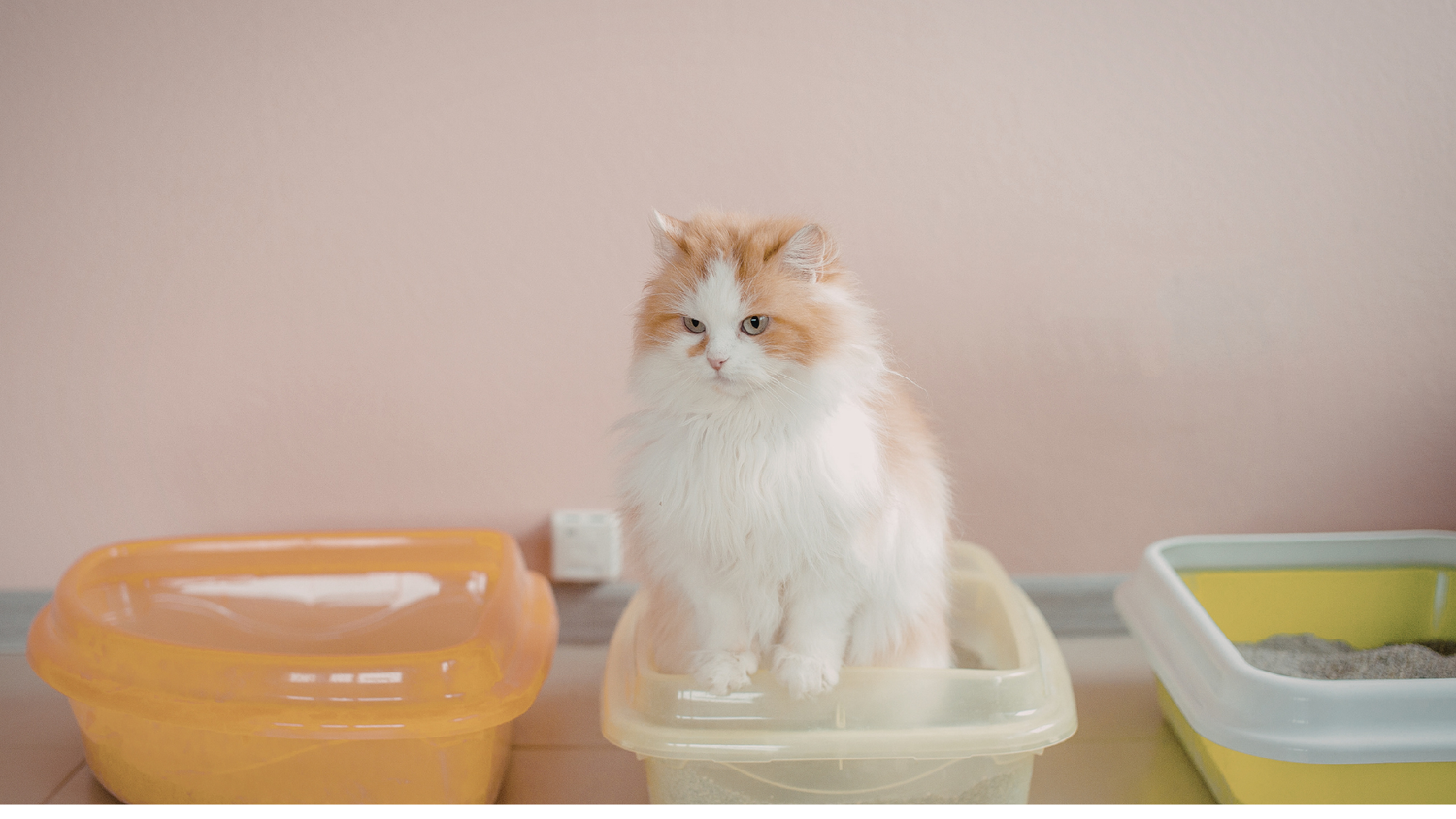
Most people buying cat litter for the first time just grab whatever's cheapest or whatever the pet store has near the entrance. That's how you end up with a cat who refuses the box, a house that smells despite daily cleaning, and no idea why.
The litter you choose affects more than you'd expect. It affects whether your cat uses the box consistently, how easy your life is day to day, and in some cases, your cat's physical health. Worth spending ten minutes getting it right.
Why cats are so picky about litter
Cats bury their waste instinctively. In the wild, it's a survival mechanism; covering their scent protects them from predators and prey. That drive doesn't disappear indoors. It just needs somewhere to go.
When the litter feels wrong, wrong texture, wrong depth, wrong smell, a cat doesn't think "I'll use this anyway." She finds somewhere else. Your bathroom mat. A corner of the bedroom. Behind the couch.
Beyond the behavioral side: good litter absorbs moisture fast, which limits bacterial growth that can cause urinary tract infections and skin irritation. Ammonia from poorly absorbed urine, when concentrated enough, irritates a cat's respiratory system. Not hypothetical concerns, they show up in cats with consistently poor litter setups.
The main types and their honest tradeoffs
Clumping clay
Made from bentonite clay, which swells and solidifies when wet. You scoop out the solid clumps; the rest stays clean. The most widely used type in the world, and it earns that position because daily maintenance is genuinely easy, and odor control is solid when you're on top of it.
The downsides people don't talk about enough: it's dusty. Not always noticeably, but cats dig in it, and particles go airborne. For a cat with any respiratory sensitivity, that matters. It's also the heaviest type; a 10kg bag is actually 10kg. Browse our full cat litter range, including clumping options from Purina Tidy Cats and more.
Non-clumping clay
Absorbs liquid but doesn't form a solid clump; it spreads to the bottom of the box instead. Cheaper per bag, but needs complete replacement every few days rather than scooping. The monthly cost math is closer than people think.
One situation where this makes sense: very young kittens under four months who might try to eat clumping litter, which can cause serious intestinal blockages.
Crystal silica
Semi-transparent beads that absorb liquid and slowly evaporate it rather than holding it as a wet mass. A bag can last a single cat up to four weeks with daily solid waste removal. Almost no dust, lightweight, and genuinely impressive odor control. Higher upfront price, but often comparable or cheaper than clay over a month.
Some cats refuse it initially because the texture is unusual. Mixing it gradually with their current litter usually solves this.
Wood pellets
Compressed sawdust. When wet, pellets crumble into sawdust and fall to the bottom. Natural wood scent, fully biodegradable. Not ideal for cats who prefer fine-grain texture; some need a transition period.
Recycled paper
Soft, dust-free, made from shredded paper fibers. Used primarily for cats recovering from surgery or with paw injuries, since it won't irritate wounds. Odor control is weak, and it needs to be replaced daily. A medical option, not an everyday one.
Choosing what works for your specific situation
Your cat's age
Under four months: no clumping litter. Kittens explore with their mouths and can ingest enough to cause intestinal blockages. Paper or wood pellets are safer.
Senior cats: finer-grain litter is easier on arthritic joints and aging paws. If an older cat starts avoiding the box, the texture is worth checking before assuming it's behavioral.
Health conditions
Respiratory sensitivity: go dust-free. Crystal or wood litter.
Kidney disease or diabetes: non-clumping lets you monitor urine output and color, important health indicators your vet will want to know about.
Post-surgery recovery: paper litter temporarily, then transition back once the vet clears it.
How many cats
One box per cat, plus one extra. Two cats mean three boxes. This prevents the territorial standoffs where a dominant cat monopolizes the box while the other avoids it entirely.
Multi-cat households need heavy-use litter with strong odor control, scooped twice daily.
Your schedule
Scoop twice a day, home a lot: clumping clay is the best value.
Schedule is unpredictable: Crystal is more forgiving without odor building fast.
Want to minimize the whole process: a self-cleaning litter box paired with clumping litter does most of the work for you.
The setup details people get wrong
Depth. Five to seven centimeters. Too shallow and your cat can't dig properly, which stresses her, and she may start going elsewhere. Too deep and litter gets kicked everywhere.
Location. Quiet, low traffic, away from the washing machine. A cat startled mid-use can permanently associate the box with that fear. Not next to food and water, cats won't eliminate near where they eat. You can find water fountains and feeding bowls that help keep feeding areas separate and clean.
Covered or open. This is your cat's preference, not yours. Some want privacy. Some feel vulnerable in an enclosed space. Start open, switch to covered if she seems to want more privacy.
Cleaning: what actually needs to happen
Clumping litter: scoop every day, ideally twice. Every two to three weeks, empty everything, wash the box with warm water and unscented soap, dry completely, refill. Avoid bleach or strongly scented cleaners; the residue lingers, and cats can smell it far better than we can.
Crystal litter: scoop solids daily, stir the beads. Full replacement in around one month for a single cat.
Non-clumping clay: every three to five days, full replacement. Scooping doesn't help because the liquid spreads throughout.
Replace the plastic box itself every six to twelve months. Plastic absorbs odor at a microscopic level that no amount of cleaning can fully fix. If the box smells immediately after washing, it's the box, not the litter.
When your cat stops using the box
Let me be direct: sudden litter box avoidance is a medical issue until proven otherwise. Urinary tract infections, bladder stones, and kidney problems all change how or whether a cat uses the box. See a vet before doing anything else if the change happened quickly.
If she's been checked and is physically fine, work through these:
Is the box clean enough? A cat's sense of smell is roughly fourteen times stronger than ours. Something you'd call "a bit dirty" might be genuinely overwhelming to her.
Did the litter change? Manufacturers reformulate without announcement. A new bag might smell or feel different even if it's the same brand.
Has something changed in the box's environment? A new appliance, a new person, a shift in routine, the box's surroundings matter.
Are there enough boxes? In multi-cat homes, this is often the entire answer.
Switching litter types without disaster
Never switch cold. Mix the new litter in gradually over four weeks:
-
Week one: 75% old, 25% new
-
Week two: even split
-
Week three: 25% old, 75% new
-
Week four: all new
Slow down at any sign of resistance. Some cats take six weeks. That's fine.
Odor control that actually works
Scoop more often. That's the most effective thing. No litter fully compensates for infrequent cleaning, regardless of what the packaging claims.
Baking soda at the bottom of the box before adding litter absorbs ammonia without adding scent. Cheap, safe, genuinely helpful.
Ventilation matters. A covered box with no airflow concentrates odors inside, not great for your cat either.
Avoid heavily perfumed litters. What smells pleasant to you can be overwhelming to a cat with a much more powerful sense of smell.
If you're pregnant or immunocompromised
Toxoplasmosis, a parasite found in cat feces, poses a real risk to pregnant women and immunocompromised people. If possible, have someone else handle litter duty entirely. If not: gloves every time, clean the box daily (the parasite needs at least 24 hours to become infectious), wash hands thoroughly, keep the area ventilated.
When to call the vet
Pink or reddish tint anywhere in the litter box, that's blood, same-day attention.
Your cat is sitting in the box for extended periods, producing nothing, especially if straining. A potential urinary blockage is an emergency.
More than five litter box visits in a single day. Crying or vocalizing during use. Diarrhea lasting more than 24 hours with lethargy. New sneezing or coughing that started around a litter change, some cats develop allergic reactions to litter dust that show up as respiratory symptoms.
The bottom line
The best cat litter is the one your cat will consistently use without drama. Reviews and specs only get you so far. Your cat is the one making the final call, based on texture, smell, depth, and whether the box feels safe.
Pick something appropriate for her age and health, set it up correctly, and clean it consistently. Shop our complete cat litter collection at Zima Pets, clumping, crystal, natural, and everything in between, delivered across Egypt.


Leave a comment
This site is protected by hCaptcha and the hCaptcha Privacy Policy and Terms of Service apply.