

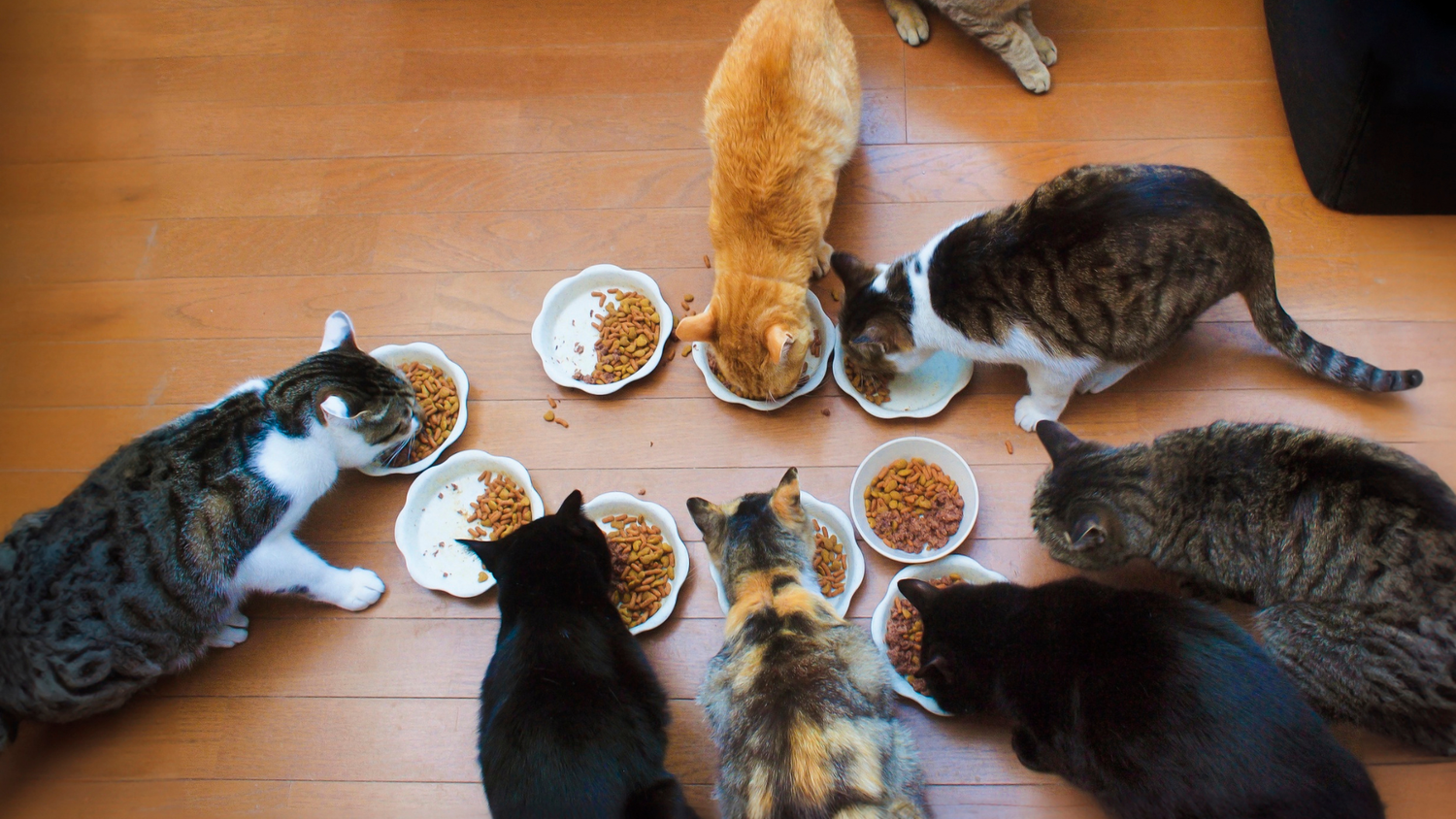
Okay, so funny story. When I brought home my first cat - this was maybe eight years ago now - I genuinely thought cats could just eat... whatever. Like, tuna from a can? Sure. Some chicken off my plate? Why not. Milk? Isn't that what cats drink in all the cartoons?
Yeah. I learned quickly that I was wrong about everything.
My cat Milo started having these weird digestive issues. Nothing dramatic at first, just soft stools, and he seemed tired a lot. Took him to the vet, expecting to hear about some rare disease or something. Nope. The vet just looked at me and asked what I was feeding him.
When I explained my whole "eh, he eats what I eat" approach, she didn't even seem surprised. Apparently, she sees this all the time. She told me something that stuck with me: "Cats aren't furry little humans. They're not even like dogs. Their entire digestive system works differently, and they have nutritional requirements that are unique to them."
That conversation sent me down this rabbit hole of learning about feline nutrition. And honestly? I wish someone had just explained all this stuff to me before I got a cat. It would've saved Milo some discomfort and saved me some vet bills.
So that's what I'm gonna try to do here. Just... explain what cats actually need to eat in a way that makes sense. No judgment if you've been doing it wrong - I was right there with you.
What is the Obligate Carnivore and Why It Actually Matters
You'll see this term everywhere when you start researching cat food. Obligate carnivore. Sounds very science-y and official. But what does it actually mean for you and your cat?
Here's the simple version: cats have to eat meat. Like, have to. It's not a preference or a suggestion. Their bodies literally cannot function properly without animal protein.
And this is different from dogs, by the way. Dogs are what they call facultative carnivores - they prefer meat but can survive on other stuff too. That's why dogs can eat vegetables and grains and all kinds of things that cats really can't handle well.
So why are cats so different?
The taurine thing
Okay, so there's this amino acid called taurine. You've probably seen it listed on cat food bags. Cats need it for their hearts to work properly and for their vision. Pretty important stuff.
Most animals, dogs, humans, lots of others - can make taurine inside their bodies from other nutrients. Cats cannot do this. At all. They have to get taurine from food, and it only exists naturally in animal tissue.
This is why you can't feed a cat vegetarian food. I know someone who tried this with their cat for ethical reasons (they were vegan themselves). The cat got really sick. Heart problems. The vet said it was a taurine deficiency. They had to switch to regular cat food immediately.
Not trying to tell anyone how to live their life, but cats are carnivores. It's just biology.
They can't really process carbs
So you know how humans eat bread and pasta and rice, and our bodies turn that into energy? Cats don't have the enzyme setup for that. Their bodies are designed to get energy from protein and fat, not from carbohydrates.
When you feed a cat food that's mostly corn and wheat - which, unfortunately, is what a lot of cheap cat foods are made of - their systems don't know what to do with it. The carbs kind of just... sit there. Or get stored as fat. Or cause stomach issues.
This blew my mind when I first learned it. All those budget cat foods with corn as the first ingredient? Basically, inappropriate nutrition for cats.
Vitamin A is weird for cats
Here's another random thing I learned. Most animals can take beta-carotene (the stuff that makes carrots orange) and convert it into vitamin A inside their bodies. Cats cannot do this conversion.
They need what's called "preformed vitamin A," which only comes from animal sources. Liver is really high in it. This is another reason why meat isn't optional for cats.
Same deal with certain fatty acids
There's this thing called arachidonic acid that cats need. Dogs can make it from other fats. Cats can't. They need to get it directly from animal fat.
Are you seeing the pattern here? Everything about cat biology points toward: needs to eat animals.
Their whole body is built for meat-eating
I think this is kind of cool, actually. Look at a cat's teeth - they're pointy and sharp, designed for tearing meat. They don't have flat molars like humans do for grinding grains.
Their intestines are really short compared to those of omnivores. Short intestines are for digesting protein quickly. Long intestines (like in cows) are for slowly fermenting plant matter.
Their stomach acid is super strong - strong enough to kill bacteria that would be in raw meat.
Everything about how a cat is built says, "I'm supposed to eat prey animals."
What Nutrients Do Cats Actually Need?
Alright, let's get into specifics. When you're looking at cat food or thinking about what to feed your cat, these are the things that matter.
Protein (The Big One)
Cats need way more protein proportionally than dogs or humans do. We're talking minimum 26% of calories from protein for adult cats. Kittens need more like 30-35%. Pregnant or nursing cats need even more.
But here's the tricky part - where the protein comes from matters just as much as how much there is.
Plant proteins (from soy, corn, peas, etc.) aren't processed the same way by cat bodies as animal proteins are. A cat food could technically have 30% protein, but if most of it is plant-based, your cat isn't getting what they actually need.
Good protein sources:
-
Chicken, turkey (most cats go crazy for poultry)
-
Beef, lamb
-
Fish - salmon is great, sardines, etc.
-
Eggs, but they gotta be cooked
-
Organ meats like liver and heart (super nutritious, actually)
-
That last one - organ meats - is something a lot of people don't think about.
But in the wild, cats eat the organs of their prey first because they're so packed with nutrients. A little bit of liver in your cat's diet is really good for them.
Fat (Not the Enemy!)
I used to think low-fat was good. Like, for humans, we're always hearing about reducing fat intake, so I assumed the same applied to cats. Wrong again.
Cats need fat. It's concentrated energy. It carries important vitamins. It provides essential fatty acids that the body can't manufacture. The omega-3 and omega-6 fatty acids in particular matter a lot for skin, coat, brain function, and controlling inflammation.
Adult cats should get about 9-15% of calories from fat. Active cats and kittens need a bit more.
Fish oil is especially good - lots of omega-3s in there.
Water (This One's Sneaky Important)
Okay, so here's something that took me forever to understand, and I wish I'd known sooner.
Cats evolved in desert environments. Their wild ancestors got most of their water from eating prey - a mouse is like 70% moisture. Because of this evolutionary history, cats don't have a strong drive to drink water. They just... don't feel thirsty the way dogs do.
Now think about dry kibble. It's got maybe 10% moisture. If your cat is eating only dry food and not drinking a ton of water (which most cats don't), they're basically walking around mildly dehydrated all the time.
This chronic, slight dehydration stresses their kidneys. It's a big reason why kidney disease is so common in older cats.
The math is kind of alarming when you look at it. Cats need about 50-60ml of water per kilogram of body weight daily. A 4kg cat needs around 200ml of water. Wet food provides a lot of that. Dry food provides almost none.
If your cat eats mostly dry food, you gotta find ways to get more water into them. Cat water fountains actually help a lot - the moving water attracts cats, and most will drink more from a fountain than from a still bowl. Made a big difference for my cats when I got one.
Breaking Down the Different Types of Cat Food
So you go to the store, and there's like... a million options. Dry food, wet food, raw food, fresh food, freeze-dried food... what's the difference and what actually matters?
Dry Food (Kibble)
This is what most people feed, and I totally get why. It's easy, it's affordable, it doesn't go bad sitting in the bowl.
What's good about it:
You can leave it out, and it won't spoil. Super convenient if you work long hours or if your cat likes to graze throughout the day instead of eating meals.
It lasts forever in storage. You can buy a big bag, and it'll be fine for months. It's cheaper per serving than wet food usually.
The crunching action might help with dental tartar a little bit. I say "might" because vets seem to disagree about how much this actually matters. Easy to measure portions exactly.
What's not great:
That moisture problem I mentioned. Only about 10% water content.
To make kibble hold its shape during manufacturing, you need carbohydrates. So dry food is almost always higher in carbs than wet food, even the good brands.
Some cats just don't drink enough water to make up for the lack of moisture in the food.
Over the years, chronic low-level dehydration can contribute to kidney and urinary problems. My vet friend says she sees this pattern a lot.
When dry food makes sense:
If your cat actually drinks plenty of water (some do!)
As part of a mixed diet with wet food
When you need to be able to leave food out during work hours
When the budget is a real constraint, quality dry food beats cheap wet food
Check out our dry cat food options if you're looking for quality kibble.
Wet Food (Canned or Pouches)
I'm biased toward wet food, I'll admit it. But there are legit reasons for that bias.
What's good about it:
The moisture content is huge - 70-80% water. This alone solves so many potential health issues.
Usually higher in protein and lower in carbohydrates than dry food. More appropriate for obligate carnivores.
Cats tend to love it more. It smells meatier and has a texture closer to actual prey animals.
Way easier to eat for older cats or cats with dental problems.
What's not great:
-
It costs more. There's really no way around this.
-
You can't leave it sitting out - it spoils within a couple of hours.
-
Once you open a can or pouch, you gotta refrigerate it and use it within a few days.
-
Some cats get spoiled on wet food and start refusing dry food entirely. Can make things tricky if you ever need to switch.
-
No dental benefits.
When wet food makes sense:
-
Cats with kidney issues (hydration is critical for them)
-
Cats with urinary tract problems
-
Older cats
-
Cats who just don't drink much water
-
As a supplement to dry food to boost moisture intake
We've got lots of wet cat food varieties if you want to explore options.
Raw Food Diets
Okay, this one's controversial, and I have complicated feelings about it.
The appeal:
-
It's the closest to what cats would eat in nature. Whole prey animals, basically.
-
The protein is in its most natural, digestible form.
-
No preservatives, no processing, no artificial anything.
Some people swear their cats' coats got amazingly shiny after switching to raw.
The concerns (and they're real):
-
Bacteria.
-
Salmonella
-
E. coli
These are genuine risks with raw meat. And the bacteria can spread to humans in the house, too, not just the cat.
Getting the nutrition balanced without professional help is really, really hard. It's not just "give them raw chicken." There are specific ratios of muscle meat to organs to bones that matter.
Requires very careful handling and storage.
Not appropriate for cats with immune problems, kittens, or households with young kids or immunocompromised people.
My honest opinion: If you want to try raw feeding, please work with a veterinary nutritionist. Not just random advice from Facebook groups. People mess this up, and their cats get sick from nutritional imbalances or bacterial infections.
Home-Cooked Food
Similar to raw, but you cook it to deal with the bacteria issue.
Upsides:
-
Total control over ingredients
-
Fresh, no preservatives
-
Good for cats with weird allergies or sensitivities
Downsides:
-
Takes a ton of time
-
Really hard to get nutritionally complete without adding supplements
-
Can actually end up costing more than quality commercial food
If you go this route, you'll almost definitely need supplements to fill nutritional gaps. Homemade diets without supplementation are almost always deficient in something important.
Feeding Cats at Different Life Stages
What a kitten needs is completely different from what a senior cat needs. This isn't just marketing - there are real biological differences.
Tiny Baby Kittens (Birth to 4 Weeks)
At this stage? Just milk. Mother's milk, if possible, kitten milk replacer if not.
Never regular cow's milk. I know, I know, every cartoon shows cats drinking milk. But cow's milk gives most cats terrible diarrhea. For tiny kittens, the dehydration from diarrhea can be life-threatening.
Kittens this young need to eat every 2-3 hours. Including overnight. It's exhausting if you're bottle feeding. The milk should be warmed to about body temperature.
Weaning Period (4 to 8 Weeks)
This is where they start transitioning to solid food. You mix kitten milk replacer with wet kitten food until it's kind of a mush consistency. Like oatmeal, maybe.
Gradually, you reduce the liquid and increase the solid food over these weeks.
Feed small amounts frequently - like 4-5 times a day. Their stomachs are tiny.
Kittens (2 to 12 Months)
Kittens need a ridiculous amount of calories compared to their size. Like, two to three times what an adult cat needs per pound of body weight. They're growing so fast.
They also need extra protein for building muscles, extra calcium and phosphorus for bones, and DHA for brain development.
How often to feed:
-
2-3 months old: 4 times a day
-
3-6 months: 3 times a day
-
6-12 months: 2-3 times a day
Use actual kitten food, not adult cat food. The nutrition profiles are really different - more calories, more protein, more fat, specific nutrients for development. Take a look at our kitten food selection.
Adult Cats (1 to 7 Years)
Once they're fully grown, cats just need to maintain what they have rather than build more.
General targets:
-
Protein: 26-30%
-
Fat: 9-15%
-
Calories: depends on how active they are
Most adult cats do fine on two meals a day. Some like smaller meals more frequently. I'd avoid leaving food out all the time unless your cat has good self-control - a lot of cats will just keep eating and get fat.
Rough calorie math: moderately active cats need about 20-25 calories per kilogram of body weight. Very active cats need more like 30-35.
Senior Cats (7 Years and Up)
Things change as cats get older. Metabolism usually slows down. Kidney function often starts declining. They might develop arthritis or dental issues.
What typically needs adjusting:
-
Might need fewer calories (less active)
-
But might need more protein (to keep from losing muscle mass)
-
Digestibility becomes more important as their systems get less efficient
-
Joint supplements can help with mobility
-
Wet food becomes even more valuable for hydration and is easier on aging teeth
-
Regular vet checkups become more important to catch kidney disease or diabetes early.
Check out senior cat food formulated for older cats' specific needs.
Human Foods: What's Safe and What's Gonna Cause Problems
Look, I get it. Your cat is staring at you while you eat, and those eyes are very persuasive. Sharing food with pets feels nice. But some human foods can seriously hurt cats.
Okay to Share (Within Reason)
Plain cooked meats:
Chicken, turkey, beef - all fine. Just keep it plain. No seasonings, no sauce, definitely no garlic or onion. And take out any bones.
Cooked fish:
Salmon is great, good omega-3s. Sardines work too. Limit tuna because mercury builds up with frequent consumption.
Plain only - no butter, no lemon, no seasoning.
Eggs:
Cooked eggs are actually great protein for cats. Scrambled, hard-boiled, whatever. Just make sure they're fully cooked - raw eggs have bacteria risks, plus there's a compound in raw egg whites that interferes with nutrient absorption.
Some vegetables in small amounts:
Cooked carrots, steamed peas, cooked pumpkin (actually really good for digestive issues), and a little steamed broccoli.
Tiny bits of fruit occasionally:
Watermelon without seeds, blueberries, cantaloupe, small piece of banana.
The rule to remember: Human food should be max 10% of what your cat eats. The other 90% needs to be an actual nutritionally complete cat food.
Dangerous - Don't Feed These Ever
I'm not trying to be dramatic here, but some of this stuff can kill cats.
Onions, garlic, leeks, chives:
Everything in this family is toxic to cats. They contain compounds that destroy red blood cells. Causes anemia that can be fatal. Even small amounts are bad. Cooked, raw, powdered - all forms are toxic.
This is why you gotta be careful with seasoned foods. Garlic powder and onion powder are in everything.
Grapes and raisins:
Causes kidney failure in cats. Scientists still don't totally understand why, but even a single grape can be dangerous. Just not worth the risk.
Chocolate:
Has theobromine and caffeine, both toxic to cats. Causes vomiting, diarrhea, rapid heartbeat, and seizures. Dark chocolate is worse than milk chocolate, but all chocolate should be kept away from cats.
Coffee and anything with caffeine:
Causes hyperactivity, abnormal heart rhythms, and potentially death in large enough amounts.
Alcohol:
Super toxic. Even small amounts cause vomiting, diarrhea, breathing problems, potentially coma, and death. Don't leave drinks sitting around where a curious cat could sample them.
Xylitol:
This artificial sweetener is in sugar-free gum, some candies, and some peanut butters. Causes dangerous blood sugar drops and liver failure in cats.
Better to Avoid
Regular milk:
Most adult cats are lactose intolerant. Cow's milk usually gives them diarrhea, bloating, and stomach cramps. If you want to give milk as a treat, get lactose-free milk made for cats.
Cooked bones:
Cooking makes bones brittle. They splinter into sharp pieces that can puncture the digestive tract internally. Really dangerous. Raw bones are safer but still have risks.
Salty or heavily seasoned foods:
Too much salt is hard on the kidneys and heart. And seasonings often contain garlic and onion powder.
Dog food:
Won't immediately hurt your cat if they steal a bite, but it doesn't have enough taurine, and the protein ratios are wrong for cats. Regular feeding causes nutritional deficiencies over time.
If Your Cat Eats Something Toxic
-
Stay calm but act fast.
-
Don't try to make them throw up unless a vet tells you to
-
Call your vet or animal poison control right away
-
If you can, keep the packaging or a sample of what they ate
-
Try to figure out how much they ate and when
Smart to have basic first aid supplies around for emergencies.
When Feeding Gets Complicated
Not every situation is straightforward. Here are some common tricky scenarios.
Cat Suddenly Won't Eat
This is scary because cats can't safely go without food very long. After like 48-72 hours of not eating, they risk developing something called hepatic lipidosis (fatty liver disease). Serious stuff.
Why this might happen:
-
They're sick or in pain
-
You changed their food suddenly
-
Food went stale or got contaminated
-
Something stressful happened in their environment
-
Dental problems make eating painful
What to try:
-
Warm the food a little to make it smellier
-
Try a different flavor
-
Add a tiny bit of low-sodium chicken broth
-
Make sure the bowl is clean and in a quiet spot
-
If it goes beyond 24 hours, see a vet
-
Cat Acts Starving All the Time
Some cats seem perpetually hungry even when you're feeding them enough.
Possible reasons:
-
Worms (parasites steal nutrients)
-
Thyroid problems (hyperthyroidism is common in older cats)
-
Diabetes
-
Food isn't satisfying (low quality, not enough protein)
-
They've learned that begging gets results
What to do:
-
Vet visit to rule out medical stuff
-
Try higher-protein foods that satisfy better
-
Split daily food into more frequent, smaller meals
-
Use puzzle feeders to slow them down and make them work for food
-
Incredibly Picky Eater
-
Some cats refuse everything except one specific food. Super frustrating.
How this usually happens:
-
Only ever ate one thing as a kitten
-
The owner gave up too quickly when trying new foods
-
Cat figured out that refusing food leads to getting something better
Ways to work on it:
-
Start variety early with kittens if possible
-
When switching, mix new food with old gradually over 7-10 days
-
Try different textures - some cats like pate, others want chunks
-
Be patient - it might take 10-15 tries before they accept something new
Weight Problems
So many pet cats are overweight. It's really common, and it's a real health issue. Fat cats have a higher risk of diabetes, joint problems, heart disease, and don't live as long.
The basics:
-
Actually measure food, don't eyeball it
-
Cut back on treats or switch to low-calorie ones
-
More playtime - interactive toys help a lot
-
Consider a weight management formula food
-
Work with your vet on safe weight loss
Throwing Up After Eating
Every cat throws up occasionally. Frequent vomiting needs attention.
Common causes:
-
Eating too fast
-
Sensitivity to something in the food
-
Hairballs
-
Digestive issues
Things to try:
-
A slow-feeder bowl to make them eat more gradually
-
Smaller, more frequent meals
-
Sensitive stomach formula
-
Brush regularly to reduce hair they swallow - a good [grooming brush](link to grooming page) makes a big difference
-
Special Health Situations
-
Sometimes regular feeding advice doesn't apply.
Pregnant and Nursing Cats
They need a lot more calories - like 25-50% more than usual. More protein, too, around 35-40%. Kitten food actually works well during this time because it's nutritionally dense.
Multiple small meals throughout the day. Fresh water always available.
Kidney Problems
Really common in older cats. Requires managed protein levels (high quality but controlled amounts), low phosphorus, and lots of moisture. Wet food becomes pretty much essential.
Usually needs prescription food and vet supervision.
Diabetes
Low-carb, high protein helps manage blood sugar. Meal timing becomes important, especially if insulin is involved. No sugary treats.
Food Allergies
Real food allergies usually show up as skin problems - itching, hair loss, ear infections - more than digestive issues.
Treatment usually means limited ingredient diets with proteins the cat hasn't had before (like duck, rabbit, or venison) or hydrolyzed protein formulas where the proteins are broken down so small the immune system doesn't react to them.
Prescription diets for medical conditions should happen with vet guidance. Our pharmacy section has prescription options.
Random Practical Stuff I've Learned
Reading Food Labels
-
Named meat should be the first ingredient (chicken, salmon, etc., not just "meat")
-
Be skeptical if grains are at the top of the list
-
"Complete and balanced" means it meets nutritional standards
-
Match food to your cat's life stage
Storing Food
-
Dry food: an airtight container, away from humidity and heat
-
Opened wet food: refrigerate, use within 2-3 days
-
Don't serve wet food ice cold from the fridge - let it warm up a bit
Bowls Actually Matter
-
Wide shallow bowls are better - cats don't like their whiskers touching the sides
-
Stainless steel or ceramic over plastic (plastic harbors bacteria and can cause chin acne)
-
Wash bowls daily
-
Keep food away from the litter box
We have cat bowls designed with these things in mind.
Switching Foods
Never change suddenly. Digestive upset is almost guaranteed.
Transition over 7-10 days:
-
Days 1-2: mostly old food, a little bit of new
-
Days 3-4: half and half
-
Days 5-6: mostly new, a little old
-
Day 7+: all new
Go slower if your cat has a sensitive stomach.
Conclusion
So here's the thing. Cats are weird little obligate carnivores who need meat to survive. Their bodies can't make essential nutrients that other animals can, so diet really matters.
The basics: meat-based protein as the foundation, adequate moisture (wet food helps a lot with this), and appropriate nutrients for their life stage.
Quality matters more than brand name or fancy packaging. Reading ingredients beats trusting marketing. And paying attention to your specific cat - their weight, their coat, their energy levels, their bathroom habits - tells you more than any label.
I wish someone had explained all this to me before I got my first cat. Would have avoided some problems. But hey, now you know, and your cat benefits from that.
At Zima Pets, we've got everything you need from brands we actually trust. Happy to help figure out what works for your particular cat.
Questions People Ask a Lot
Can I give my cat regular canned tuna?
As an occasional treat, sure. But not regularly. Human tuna doesn't have enough taurine, often has too much sodium, and mercury accumulates with frequent eating.
What's actually different between kitten food and adult food?
Kitten food has more calories, more protein and fat, more calcium and phosphorus, and DHA for brain development. Adult food has lower amounts to prevent obesity and kidney stress. Actually, different formulations, not just marketing.
How do I know if my cat's food is working?
Good signs: healthy weight, shiny coat, steady energy, normal, firm poops, no chronic skin or digestive issues. If your cat has all that, the diet's probably working.


Leave a comment
This site is protected by hCaptcha and the hCaptcha Privacy Policy and Terms of Service apply.